















Why study in Oxford?
Who Oxford suits
Oxford works best for students who want a serious, focused study environment without big-city overwhelm. It’s compact enough to cycle everywhere, prestigious enough to matter back home, and close enough to London for weekend access—but you’re here to study, not party. Classes are motivated, English is clear, and the academic atmosphere keeps you focused. If you prefer calm routines over constant nightlife, Oxford delivers.
Why the English learning works
You’ll mostly hear southern British English—the kind many learners recognise from textbooks and BBC broadcasts—which tends to be clear and approachable. Shopkeepers speak precisely, students articulate carefully. You’ll also hear a mix of international accents, which gives you strong real-world listening practice. This environment helps beginners build confidence and advanced learners refine pronunciation.
Read more
The city’s compact scale means learning continues outside class. Walk 15 minutes from any school and you’ll find world-class museums (Ashmolean, Pitt Rivers, Natural History)—all free. Read English descriptions to build vocabulary, attend curator talks to train your ear for formal English, and discuss what you saw over coffee with classmates.
Course choice matches London quality without the sprawl: General English, exam preparation (IELTS/Cambridge), business English and academic routes. Classes typically include several nationalities, making English your only common language. Oxford’s academic culture means students take learning seriously—motivated classrooms where people complete homework and genuinely want to improve.

Is it right for you?
Oxford is ideal if you want a serious study environment, clear English and a traditional university-city atmosphere without the stress of a huge metropolis. It gives you a strong academic setting and easy London access, but your day-to-day life feels manageable and human scale.
Oxford suits you if you:
- Prefer walkable, manageable cities to overwhelming metropolises.
- Value clear daily routines and serious study environments.
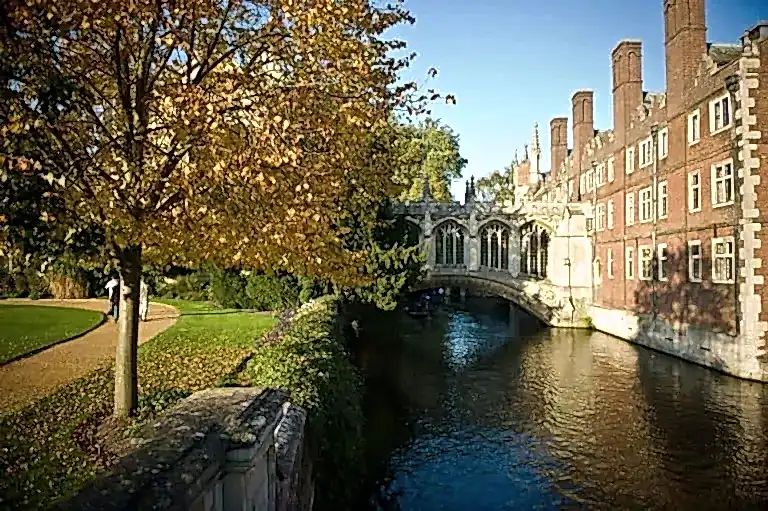
- Want traditional British academic culture and historic architecture around you.
- Need easy London access without big-city living costs.
- Prefer a calm, thoughtful atmosphere to constant nightlife.
Consider alternatives if you:
- Need extensive entertainment and nightlife options → consider Manchester or London.
- Want maximum diversity, course choice and big-city energy → consider London.
- Prefer coastal settings and sea air → consider Brighton or Bournemouth.
Schools in Oxford
Every school here is accredited. Enquiries go straight to the school, with no commission and no middleman.


Courses in Oxford
Compare all 7Student life and areas
Daily rhythm
Weekdays often start with morning lessons, a quick stop at the Covered Market for lunch, and an hour in a park or library. Afternoons might include a grammar workshop, museum visit or cycling to Port Meadow. Evenings are low-key: film nights, pub quizzes, bookshop browsing—then home through quiet streets.
Weekends mean easy day trips: London by fast train or coach, the Cotswolds for village walks, Stratford-upon-Avon for Shakespeare, and Bicester Village for designer outlet shopping (around 20 minutes by train, hugely popular with international visitors), or a friendly rivalry hop to Cambridge.
Living areas
- Jericho: Around 10 minutes’ walk to the city centre; canals, indie cinema, cafés—a calm base near most schools.
- Cowley Road: Roughly 15 minutes by cycle; global food, music and a livelier evening scene.
- Summertown/Headington: Around 20 minutes by cycle or bus; residential, green, family-friendly areas with straightforward school routes.


Practical realities
Demand
Summer (July–August) and exam periods get busy—earlier enquiries give more choice. University term times can tighten homestay and residence availability, so planning ahead helps secure your preferred options.
Safety
Oxford is generally considered safe for students. As in any UK city, use normal precautions: watch your belongings, lock bicycles and stay aware at night. The compact centre keeps journeys short and most routes well lit and busy.
Budget
Oxford costs less than London but more than Manchester or Liverpool. Typical ranges:
- Homestays: £180–280 per week (may include meals)
- Student residences: £200–350+ per week for private room
- Transport: £50–70 per month (bus pass), though many students cycle
- Food (self-catering): £35–55 per week
- A coffee: £3–4. A meal out: £10–18.
Always ask for an itemised quote covering lesson hours, enrolment, materials, accommodation type, and extras.
Getting around
The city centre is walkable, with most schools, shops, and cafes close together. Buses and cycle lanes cover the main routes, and cycling is very common.
Frequent trains to London take around an hour; coaches are cheaper but slower. London Heathrow is about 90 minutes by direct bus (the Airline service). Birmingham Airport is around an hour by train.
Other cities
All cities


Thinking about Oxford?
Tell us what you're looking for and we'll send your enquiry to schools that match. Free, with no obligation.